

Passenger comfort has become an important part of modern airline service, especially as flight routes become longer and cabin experiences become more differentiated. Among the many items provided during a flight, an aircraft blanket may seem simple, but it directly affects how passengers rest, relax, and perceive the overall quality of the journey.
Different flight routes and cabin classes create different requirements for aircraft blanket selection. A short domestic flight may only require lightweight comfort support, while an overnight international flight may need warmer materials, larger coverage, and higher durability for repeated use. At the same time, airlines must consider cleaning efficiency, storage space, weight management, and service standards when choosing airplane blankets for their fleets.
GXFlight provides aviation comfort solutions designed for airline service environments, including different types of airplane blankets suitable for various cabin applications. Airlines can explore GXFlight’s range of inflight products through its aircraft comfort and cabin service product solutions to understand available options for different operational needs.
Flight duration is one of the most important factors affecting aircraft blanket requirements. The longer passengers remain onboard, the more important comfort features such as softness, warmth retention, and usability become.
On short-haul routes, passengers may spend only a limited amount of time using an aircraft blanket. Airlines operating these routes often focus on lightweight solutions that are easy to distribute, store, and manage during quick aircraft turnaround periods.
Long-haul and international flights create different challenges. Passengers may sleep for several hours, making comfort a key part of the onboard experience. In these situations, airplane blankets need to provide sufficient warmth while remaining practical for airline operations. Materials such as fleece, polyester, and other soft fabrics are commonly considered because they balance comfort with durability.
Route characteristics also influence blanket selection. Flights traveling through colder regions, overnight routes, or premium international services may require enhanced comfort features compared with short daytime flights. Airlines usually evaluate passenger expectations together with operational requirements before selecting suitable blanket solutions.
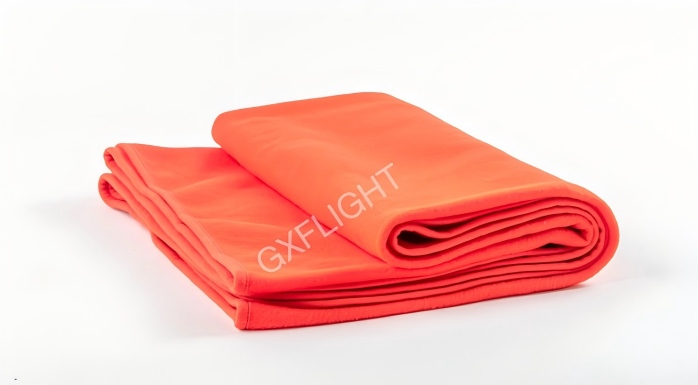
Cabin class has a direct impact on the design expectations of an aircraft blanket. Although all passengers may need warmth and comfort, different cabin classes usually have different service standards.
Economy class services generally prioritize practicality. Airlines need airplane blankets that provide reliable comfort while also being lightweight, easy to handle, and suitable for large passenger volumes. Durability is especially important because economy cabins typically require higher-frequency distribution and collection.
Business class passengers often expect a higher level of comfort. An upgraded aircraft blanket may feature softer materials, improved appearance, and a more refined feel that matches the overall premium cabin experience.
First-class cabins usually focus on luxury and personalization. In this environment, airplane blankets are not only functional products but also part of the airline’s service presentation. Premium materials, elegant design, and careful packaging can contribute to a more exclusive passenger experience.
| Cabin Class | Aircraft Blanket Focus | Main Selection Considerations |
|---|---|---|
| Economy Class | Practical comfort and efficient management | Durability, lightweight design, easy distribution |
| Business Class | Enhanced comfort and premium appearance | Softness, material quality, passenger perception |
| First Class | Luxury experience and personalized service | Premium fabrics, design details, service presentation |
| Long-haul Premium Routes | Extended comfort during rest periods | Warmth retention, coverage, long-term usability |
Every airline has its own approach to passenger service, which means aircraft blanket requirements can vary significantly. Some airlines focus on operational efficiency, while others emphasize premium cabin experiences and brand presentation.
For airlines with large international networks, consistency is often a priority. The same type of airplane blanket may need to perform reliably across different aircraft models, routes, and climate conditions. This requires careful consideration of material performance, packaging methods, and handling procedures.
Service standards also influence design choices. Airlines aiming to provide a premium experience may choose softer textures, customized colors, or improved packaging to create a stronger connection between the blanket and the overall cabin environment.
GXFlight supports different aviation comfort product requirements by offering various airplane blankets designed for airline applications. Its product range includes options such as fleece blankets and flame-retardant blanket solutions that can meet different operational considerations.
Long-haul flights place higher demands on passenger comfort because travelers often spend extended periods resting inside the aircraft cabin. In these situations, the design of an aircraft blanket becomes closely connected with sleep quality and overall travel experience.
A well-designed blanket should provide warmth without creating unnecessary weight or storage challenges. Airlines must balance passenger comfort with practical considerations such as cabin storage capacity, cleaning processes, and transportation efficiency.
For international routes, consistency is also important. Passengers may compare their experience across different airlines, making small details such as the quality of airplane blankets part of the overall service impression.
The design of modern aircraft blanket solutions therefore considers more than fabric selection. Size, packaging, appearance, and operational handling all contribute to how effectively the product supports airline service goals.
Selecting an aircraft blanket requires airlines to balance three important factors: passenger comfort, product durability, and operational efficiency.
Comfort determines how passengers experience the product. Soft materials, suitable thickness, and effective warmth retention can make a noticeable difference during longer flights. However, airlines also need blankets that can withstand frequent handling, transportation, and cleaning requirements.
Operational efficiency is equally important. An overly heavy or bulky airplane blanket may increase storage challenges and complicate cabin preparation. A practical solution should fit smoothly into existing airline service workflows.
For this reason, airlines usually evaluate aircraft blanket options based on the complete operating environment rather than focusing on a single feature. The right choice is one that supports passenger satisfaction while remaining manageable for airline teams.
A flexible aircraft blanket solution allows airlines to adapt their onboard services to different routes, aircraft types, and passenger expectations. Instead of using the same approach for every flight, airlines can select products that match specific service scenarios.
For example, premium international routes may require higher-comfort airplane blankets, while regional services may benefit from lightweight and easy-to-manage options. This flexibility helps airlines maintain consistent service quality while controlling operational complexity.
GXFlight works with aviation customers to provide inflight comfort products that support different cabin requirements. Airlines looking for suitable blanket solutions or additional information about product specifications can contact GXFlight’s aviation product specialists for further assistance.
By selecting the right aircraft blanket according to route characteristics and cabin expectations, airlines can improve passenger comfort while creating a more efficient cabin service process.
Choosing the right aircraft blanket requires a clear understanding of flight duration, route conditions, cabin class expectations, and airline service standards. A blanket used on a short regional flight may have completely different priorities from one provided on an overnight international journey.
The most effective airplane blankets combine comfort, durability, and operational practicality. When selected carefully, they become more than a simple passenger item—they become an important part of the overall inflight experience.
With experience in aviation comfort products, GXFlight helps airlines identify suitable solutions for different cabin environments and service requirements. A well-designed aircraft blanket can support better passenger satisfaction while helping airlines maintain efficient operations.
Airlines provide an aircraft blanket to improve passenger comfort by helping travelers stay warm and rest more comfortably during flights, especially on longer routes.
Yes. Economy cabins usually focus on practicality and durability, while premium cabins often require softer materials, better appearance, and enhanced comfort features.
Common materials include fleece, polyester, and other soft fabrics selected for warmth, comfort, durability, and airline operational requirements.
Longer flights usually require more comfortable and warmer aircraft blanket solutions because passengers spend more time resting onboard.
Airlines should consider comfort, durability, weight, storage requirements, cabin class expectations, and overall service standards.
Many aviation suppliers provide customization options for aircraft blanket solutions, including material selection, appearance, packaging, and service-specific requirements.